MICRO FORESTS 101
Micro forests (also called pocket forests, mini forests, and tiny forests) are densely-planted and multilayered indigenous forests planted in small urban spaces which act as self-sustaining ecosystems that reconnect fragmented habitat and restore biodiversity in the city.
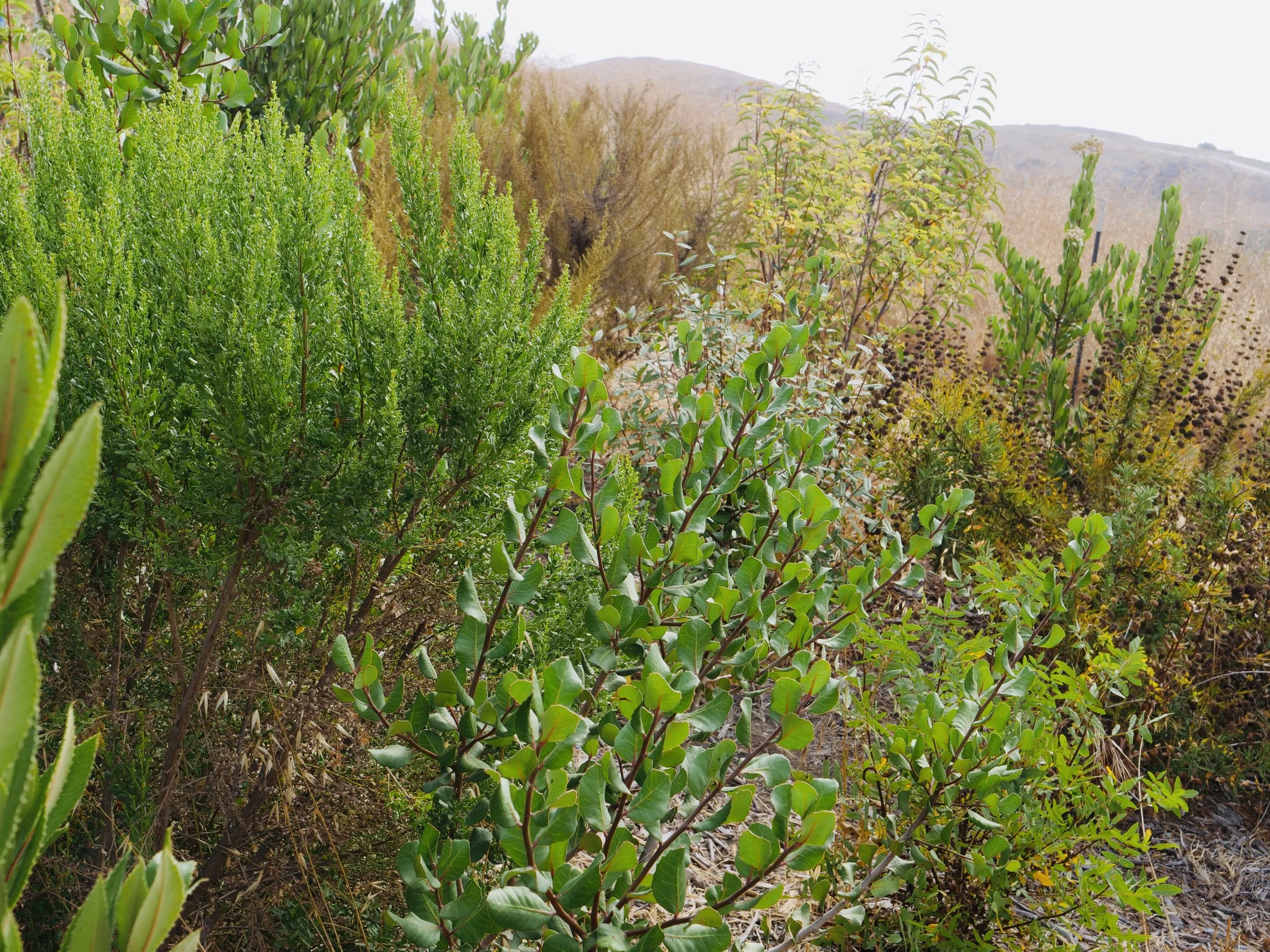
Micro Forests in LA are inspired by the Miyawaki Method of Japan, but modified and adapted for the unique ecology of Los Angeles.
Reference Gallery of Miyawaki Forests and Miyawaki-inspired Micro-Forests
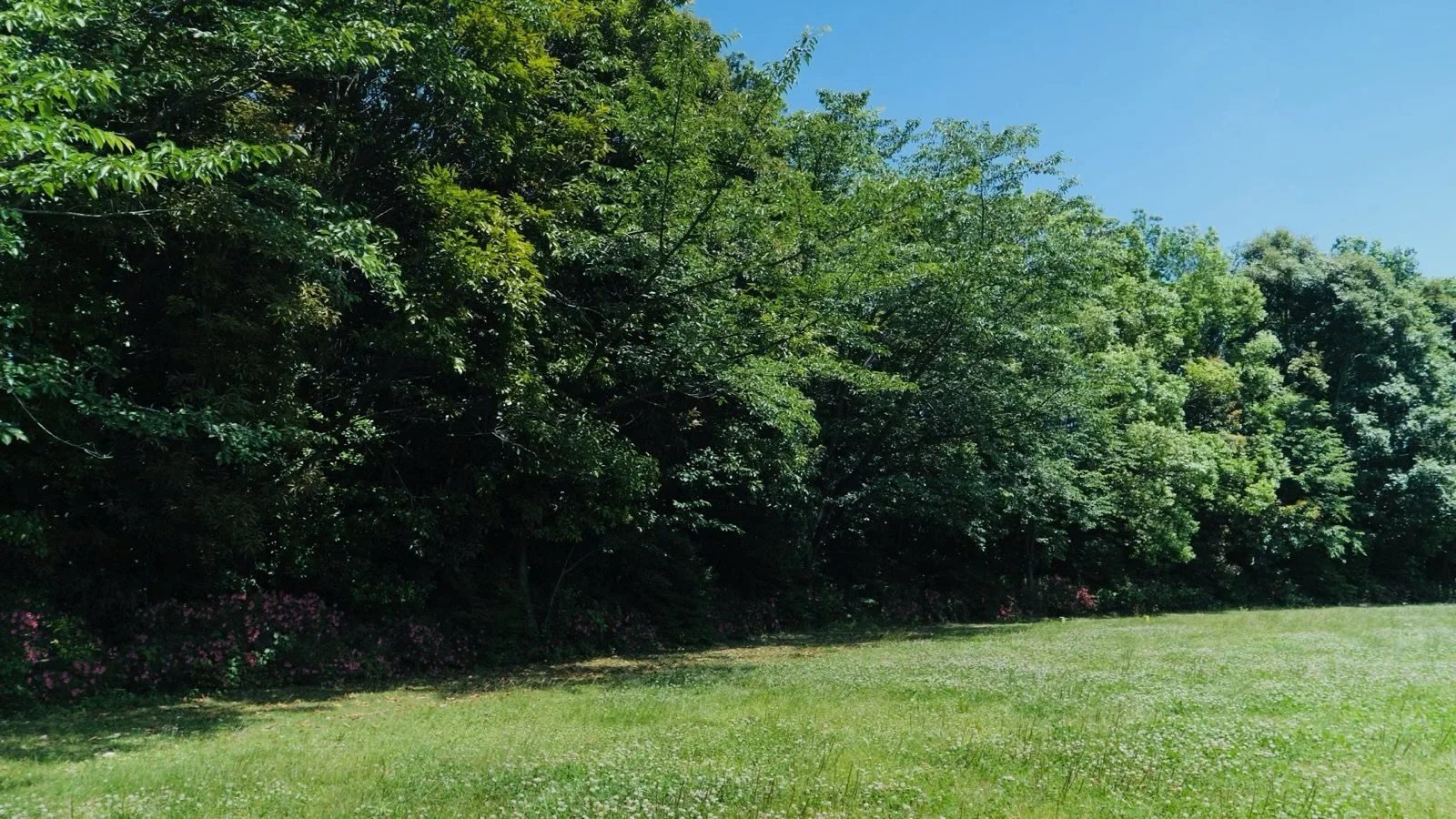
Mature Miyawaki Forest in Japan
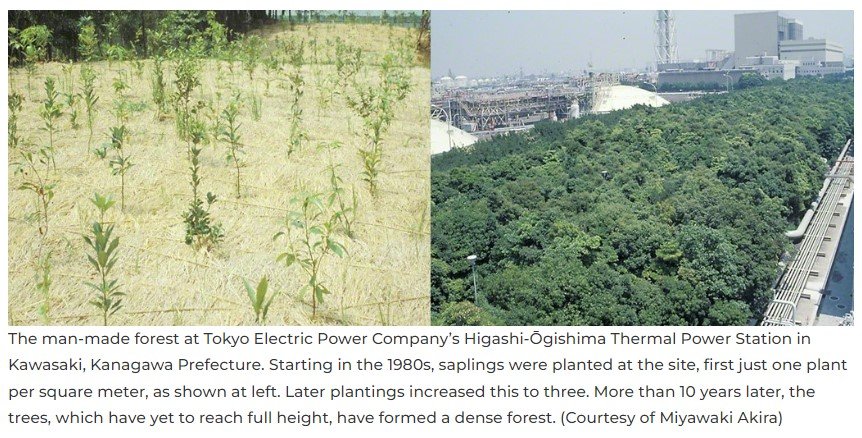
Miyawaki Forest at Planting vs. 10 years later
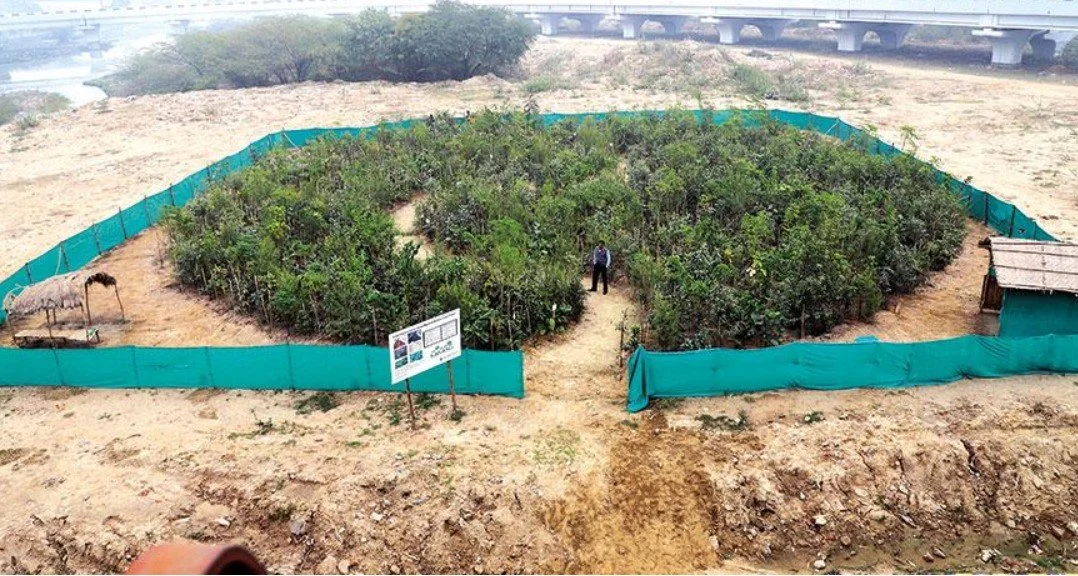
Miyawaki Forest in India
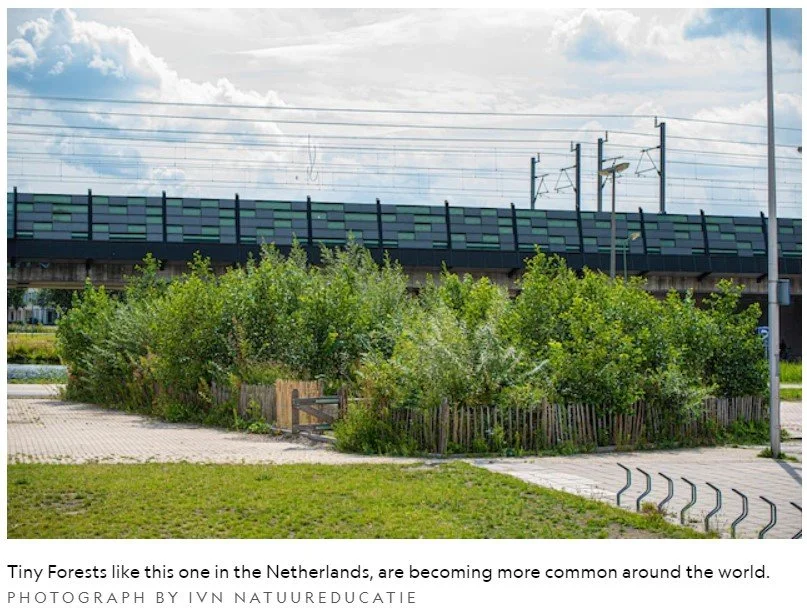
Miyawaki Forest in Amsterdam
First Micro-Forest in Los Angeles at 3 months old
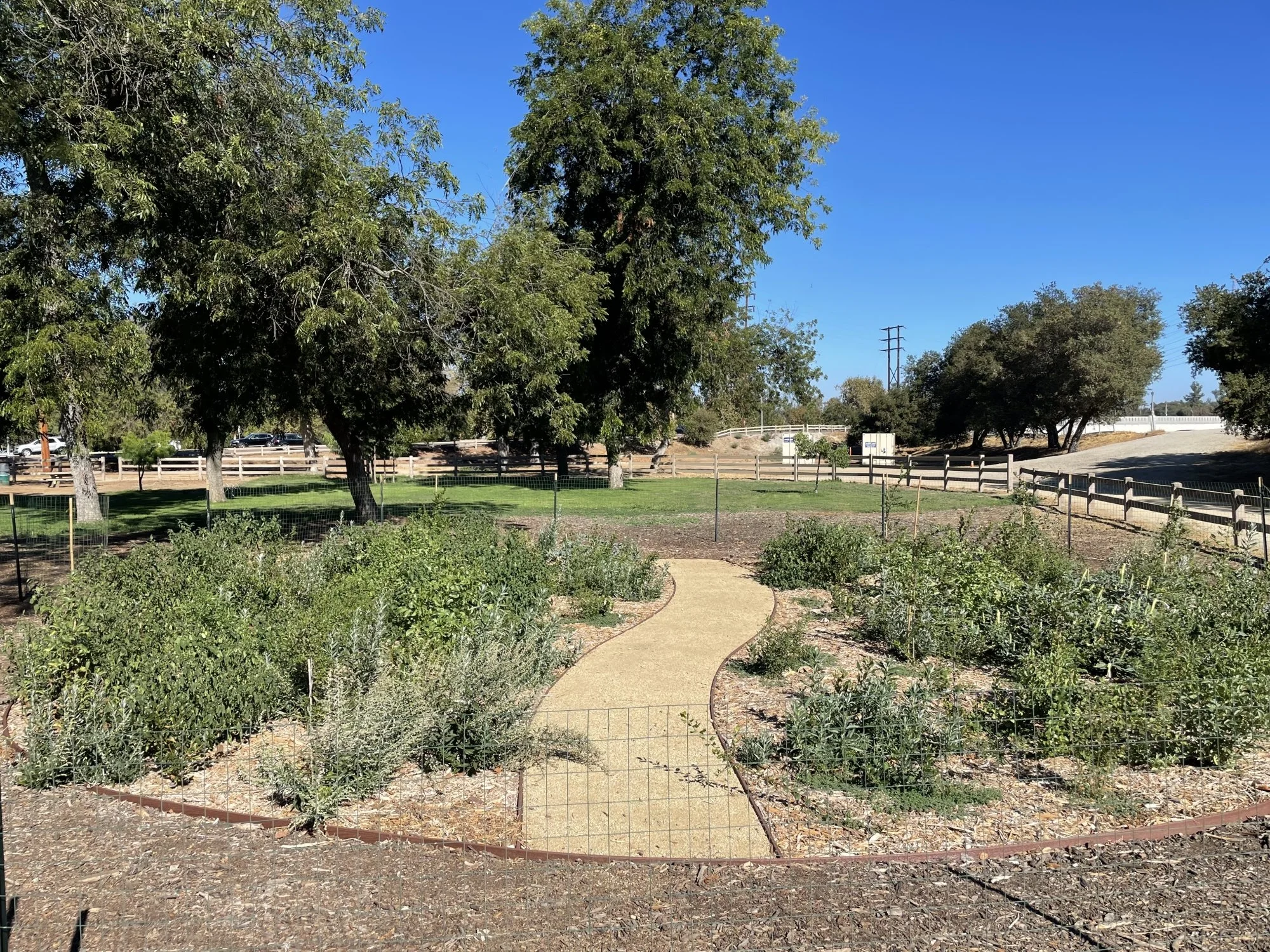
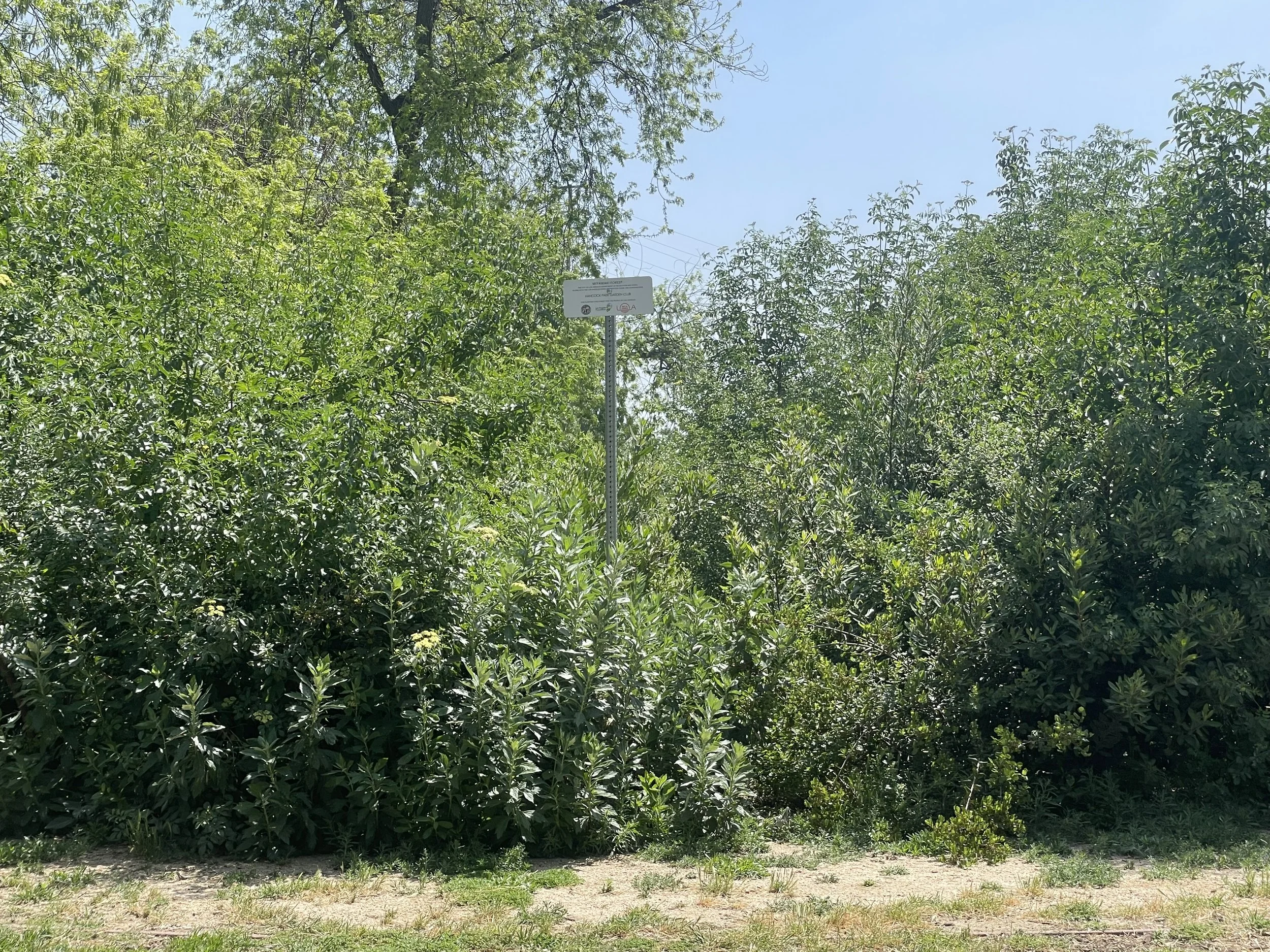
First Micro-Forest in Los Angeles at 3 years old
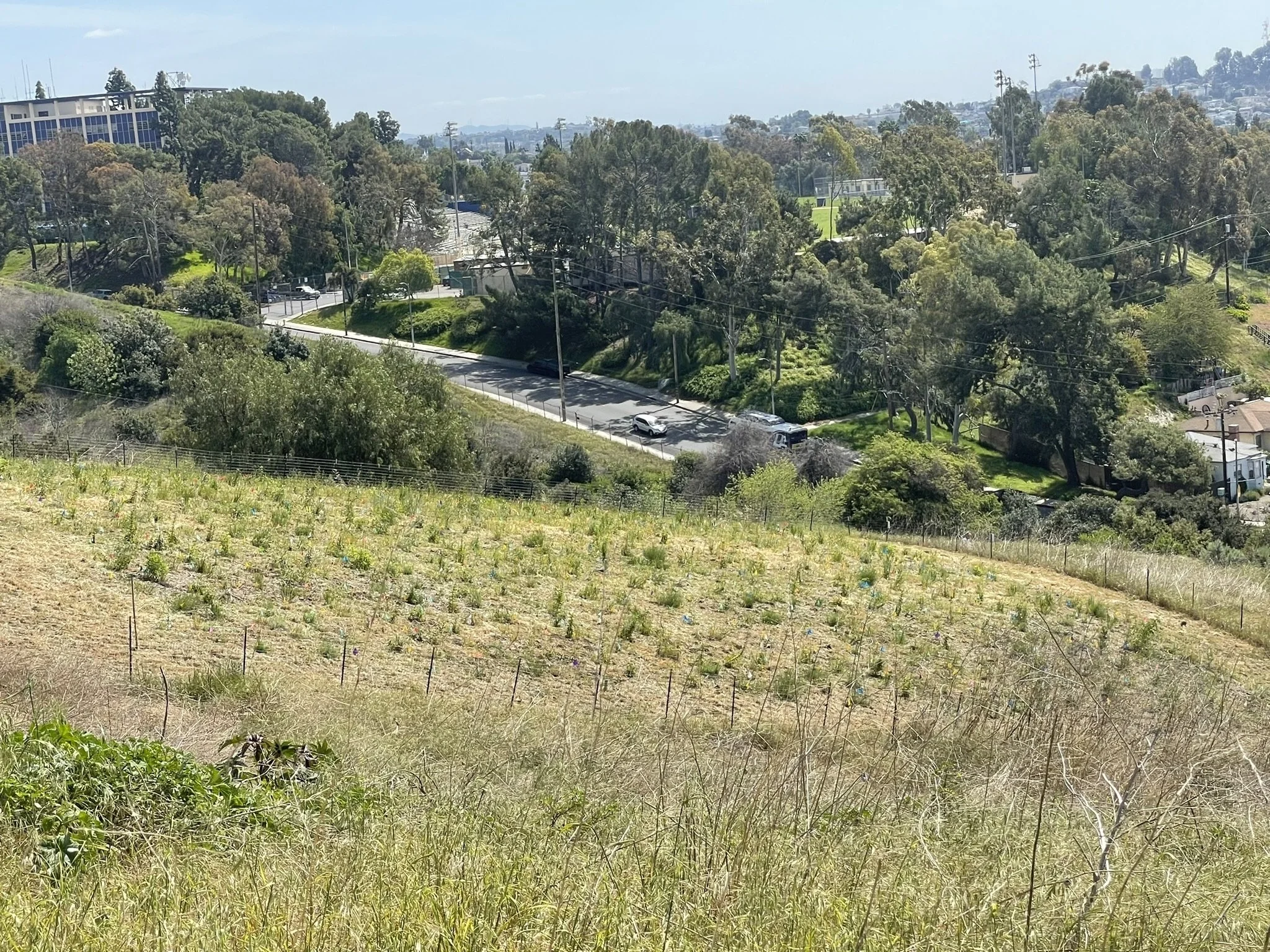
Ascot Hills Micro Forest at 2 months old
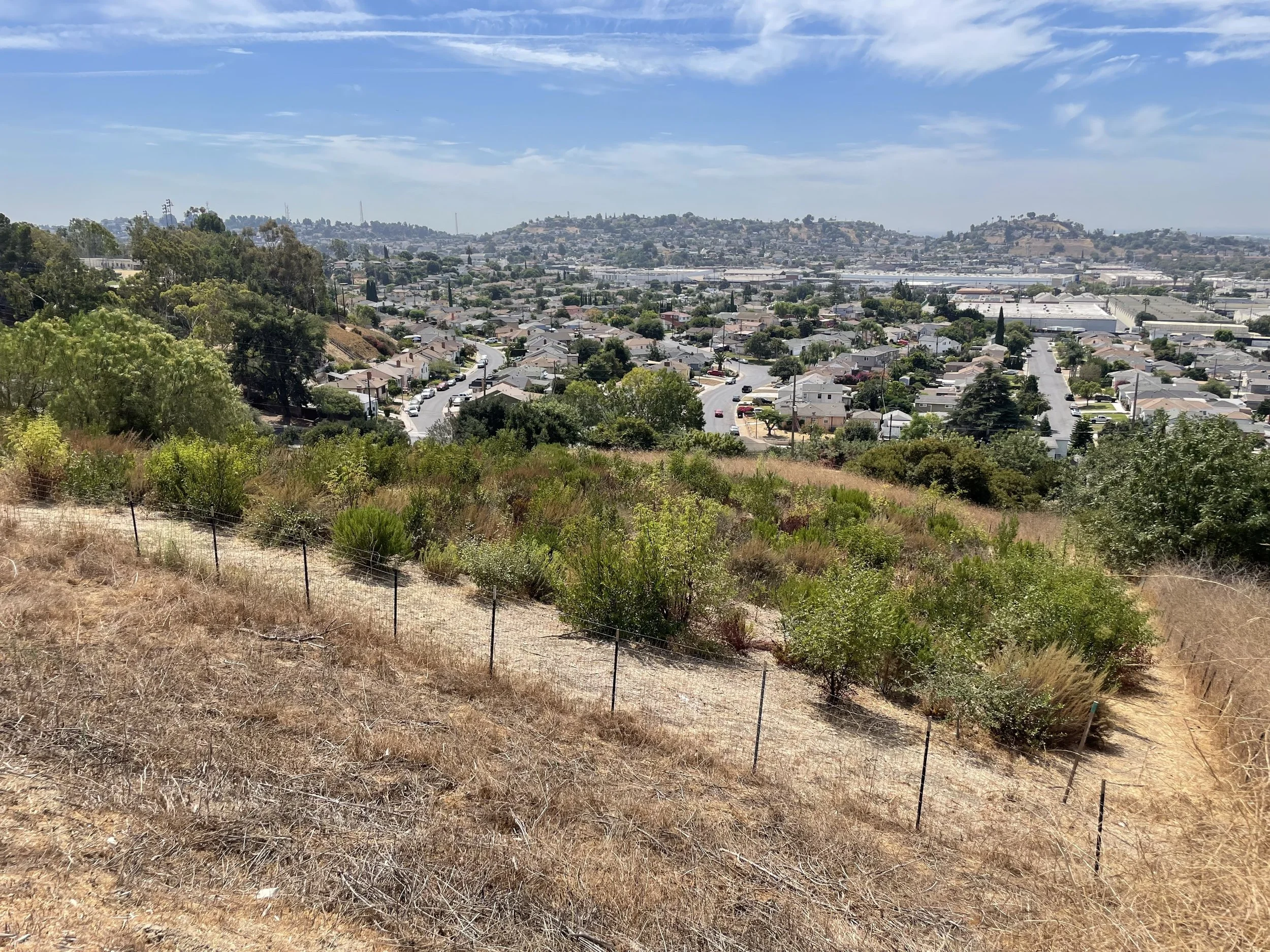
Ascot Hills Micro Forest at 19 months
MICRO FORESTS ARE…
Using native plants which are local to the area and grown from regionally-adapted seeds ensures that the plants thrive in the climate and environment in which they are planted.
DESIGNED for the Region
Planting densely (roughly one plant per 9 square feet) means better natural weed control, faster soil revitalization, and instantaneous habitat!
DENSE
Unlike many conventional landscape design approaches which aim to create static landscapes, a micro-forest is always in motion, following natural patterns of ecological succession to create complex habitats and facilitate nutrient cycling.
DYNAMIC
A diversity of plant species in a micro-forest, as well as a diversity of forest layers (canopy trees, other trees, sub-trees, and smaller shrubs/herbaceous perennials) means that a micro-forest can support and nurture the highest levels of biodiversity in the form of animal life aboveground, and microorganisms belowground.
DIVERSE
Capable of fitting into spaces as small as 200 square feet, micro-forests are able to make big impacts in small spaces. This is especially valuable in urban areas where open space is often limited.
DIMUNITIVE